Liquid Pouch Packaging vs. Bottles: Choosing the Right Format for Your Brand
Why Packaging Format Is a Commercial Decision
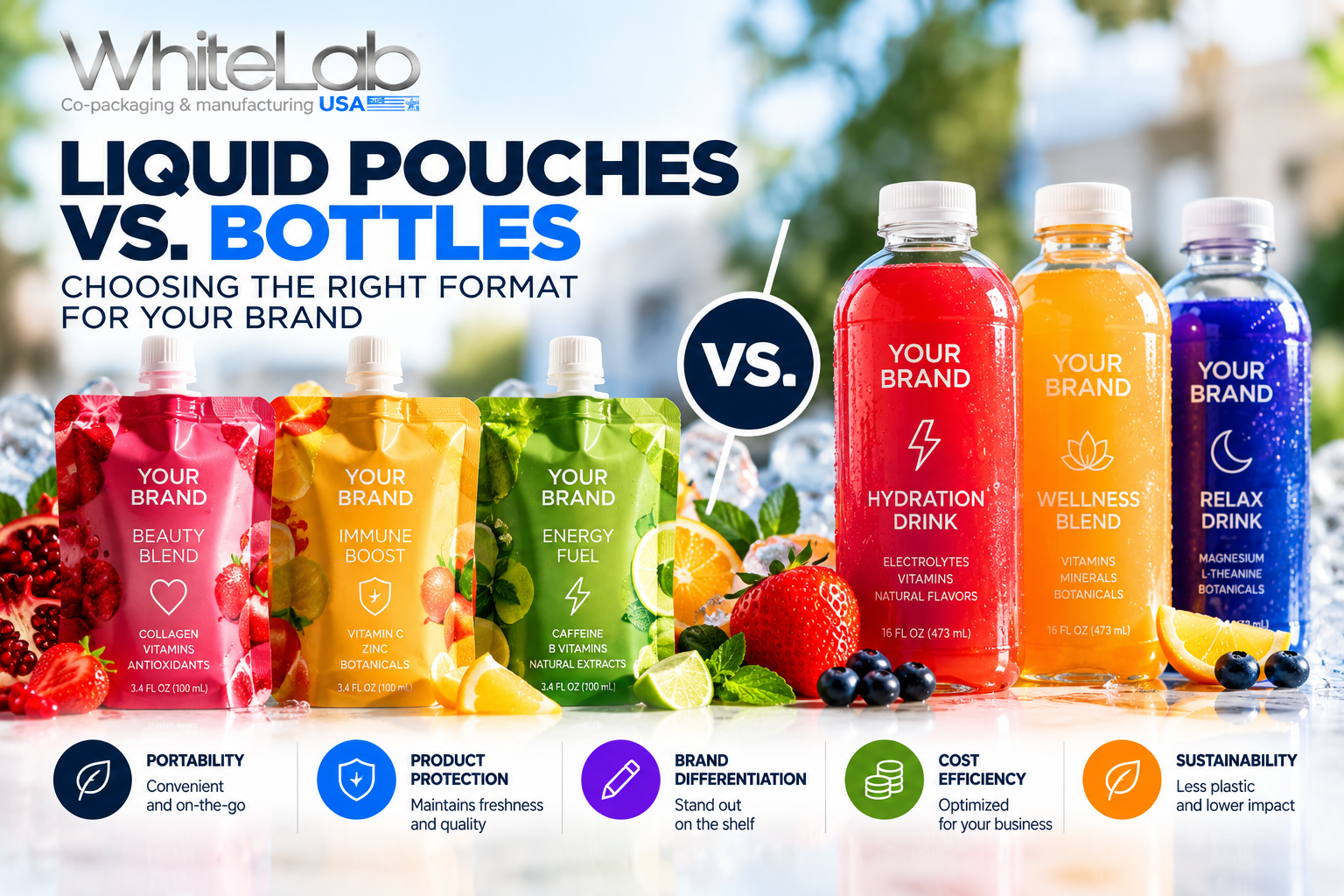
For beverage and liquid-product brands, liquid pouch packaging is more than a container choice. The format influences the consumer experience, shelf presentation, transportation, and how a product fits into everyday routines. Bottles offer familiarity and visibility; pouches can create a distinct, portable proposition. The best choice depends on the product, target buyer, distribution channel, and brand story.
When a Liquid Pouch Makes Sense
Pouches can be particularly interesting when portability, single-use convenience, or a differentiated presentation matters. Think of products intended for travel, events, on-the-go occasions, or controlled individual portions. A pouch concept should be evaluated against the product’s consistency, filling requirements, seal integrity, storage needs, and intended use. Not every liquid or formulation is suited to every package.
Branding and Consumer Experience
A flexible pack can create an immediately recognizable shape and allow the brand to emphasize flavor, product purpose, and occasion. However, the usable print area, readability, opening experience, and consumer expectations all matter. Design should serve the product rather than simply look different.
When a Bottle May Be the Better Fit
Bottles are often a natural choice when shoppers expect a resealable product, want to see the contents, or consume the product over several occasions. They may also fit established retail categories more naturally. Brands should compare how each format supports price positioning, display requirements, and the intended serving experience—not just the appearance of the package.
What to Discuss Before Selecting a Format
A productive manufacturing conversation starts with the intended product: liquid type, serving size, flavor direction, expected storage conditions, target market, and the type of packaging experience the customer should have. If you are exploring a drink or functional liquid, review the broader options for beverage manufacturing before committing to one presentation.
Turn the Format Into a Market Advantage
The strongest packaging decisions support a clear customer benefit. A convenient format, consistent brand presentation, and a product that fits its intended channel can help distinguish an emerging line from generic alternatives. White Lab USA can discuss the concept and assess relevant development and manufacturing options based on project requirements.
Compare the Customer Experience Before Comparing Packaging
A package earns its place in a product line when it makes the product easier to understand, buy, carry, and use. A single-serve pouch may communicate convenience and portion control. A bottle can communicate familiarity and repeated use. Neither format is automatically more premium or more economical: the outcome depends on material selection, filling requirements, decoration, quantities, and distribution. Brands should begin with the shopper and the occasion rather than the shape of a competitor’s product.
Consider the first five seconds of a buying decision. Can customers recognize the product category, understand the benefit, and identify the flavor or variant? Will the format fit the retail fixture, delivery box, event cooler, or gym bag? A packaging concept that looks compelling in a digital mockup may still need adjustment to perform well in its intended sales environment.
Think Through Shelf Presence and Brand Architecture
Liquid pouch packaging creates a different visual silhouette from conventional bottles. That distinction can help a new product line attract attention, particularly when the design communicates a specific usage occasion. However, pouch shape, print quality, and available labeling space all influence how much information can be presented clearly. The most effective artwork prioritizes the brand, product identity, and essential information rather than trying to fill every available inch.
For brands with several flavors or functions, packaging should also work as a family. Consistent layout, clear variant colors, and readable product names make the range easier to navigate. The goal is not simply to produce an attractive individual package but to build a system that supports line extensions without forcing a complete redesign.
Align Packaging With the Route to Market
A direct-to-consumer launch, a wholesale program, and an event-driven product may call for different pack configurations. For online sales, think about how individual units are grouped and presented when the customer opens a shipment. For retail, consider shelf dimensions, case presentation, and how the product will be displayed. For hospitality or events, handling convenience and clear single-serve identification may matter most. These questions should be addressed early because the primary package affects the secondary packaging and the customer’s overall experience. An effective brief should explain the sales channel, target audience, proposed serving size, expected product characteristics, and preferred presentation. This helps a manufacturing partner evaluate the concept without committing to an unsuitable format.
How to Start a More Productive Manufacturing Discussion
Before requesting a quote, prepare a concise concept overview. Include the product category, whether the formula already exists, the desired package format, approximate serving size, planned launch channel, and brand positioning. If artwork or a sample exists, share it as a reference rather than assuming it is production-ready. This makes the first discussion more concrete and helps identify which decisions still need to be made. White Lab USA can discuss your product direction and potential development pathway. Packaging and filling options depend on the specific product and project requirements, so feasibility should be reviewed rather than assumed. A focused conversation is more valuable than a generic request for the lowest unit price: it establishes whether the format supports the business you are trying to build.
Discuss Your Liquid Product Concept
Considering pouches, bottles, or another format for your next branded product? Tell White Lab USA about your project, including your intended product, packaging preference, and target customer. We can explore the next steps together.