Retail-Ready Packaging for Private Label Products: Building a Stronger Shelf Presence
The Package Is Part of the Product
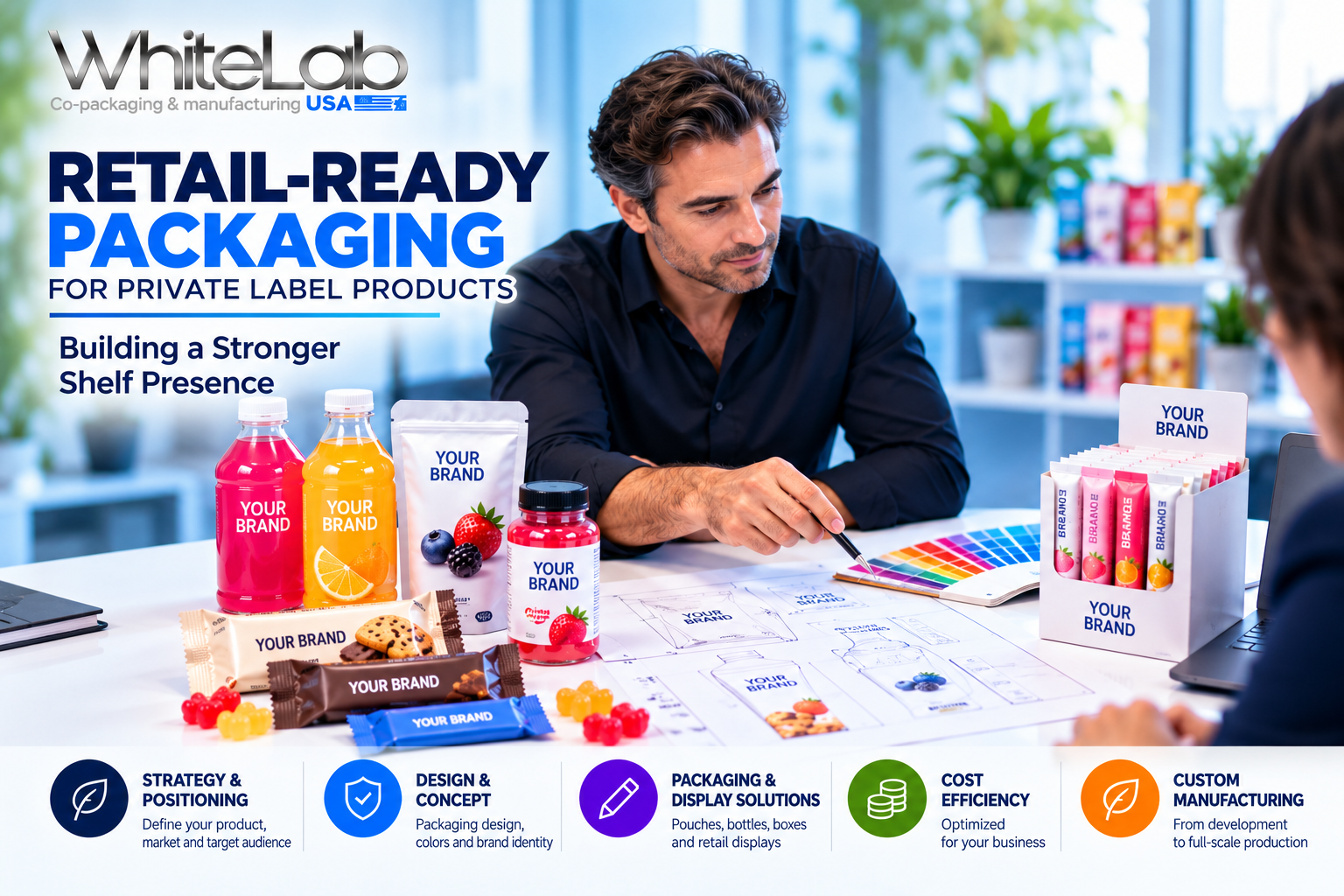
Retail-ready packaging does more than protect a private label product. It helps shoppers understand what the product is, who it is for, and why they should choose it. But a strong shelf presence begins well before anyone designs a label. It starts with the product concept, target audience, positioning, and manufacturing plan. At White Lab USA, packaging is one part of a broader conversation about developing and bringing a distinctive product to market.
Start With the Retail Environment
A package that performs well in a direct-to-consumer shipment may not be the right presentation for a physical shelf. Consider where the item will appear, how much space is available, whether it will be displayed individually or in a secondary carton, and how shoppers typically compare products in that category. A clear understanding of the channel should shape the format early.
Make the Value Proposition Easy to Understand
The front of pack should make the product category, intended use, and distinguishing features understandable at a glance. Avoid overcrowding the design with competing messages. Consistent naming, visual hierarchy, and a recognizable brand system can make future line extensions easier to navigate.
Packaging That Supports Product Differentiation
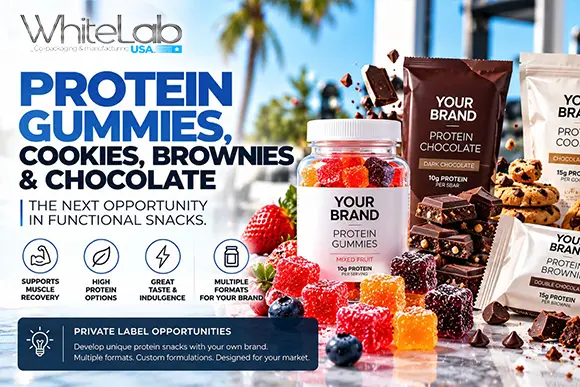
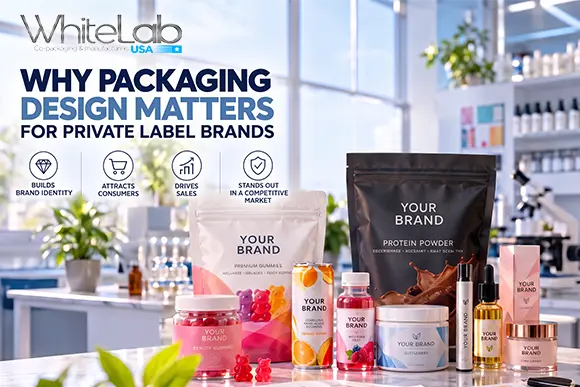
Two products with similar formulations can occupy different market positions through their serving format, presentation, and brand identity. A premium gift-oriented product, an everyday convenience item, and a fitness-focused concept will not necessarily benefit from the same packaging language. The best solution reflects the target consumer and purchase occasion. For example, explore our private label gummy manufacturing options when planning a cohesive retail product line.
Think Beyond the Primary Package
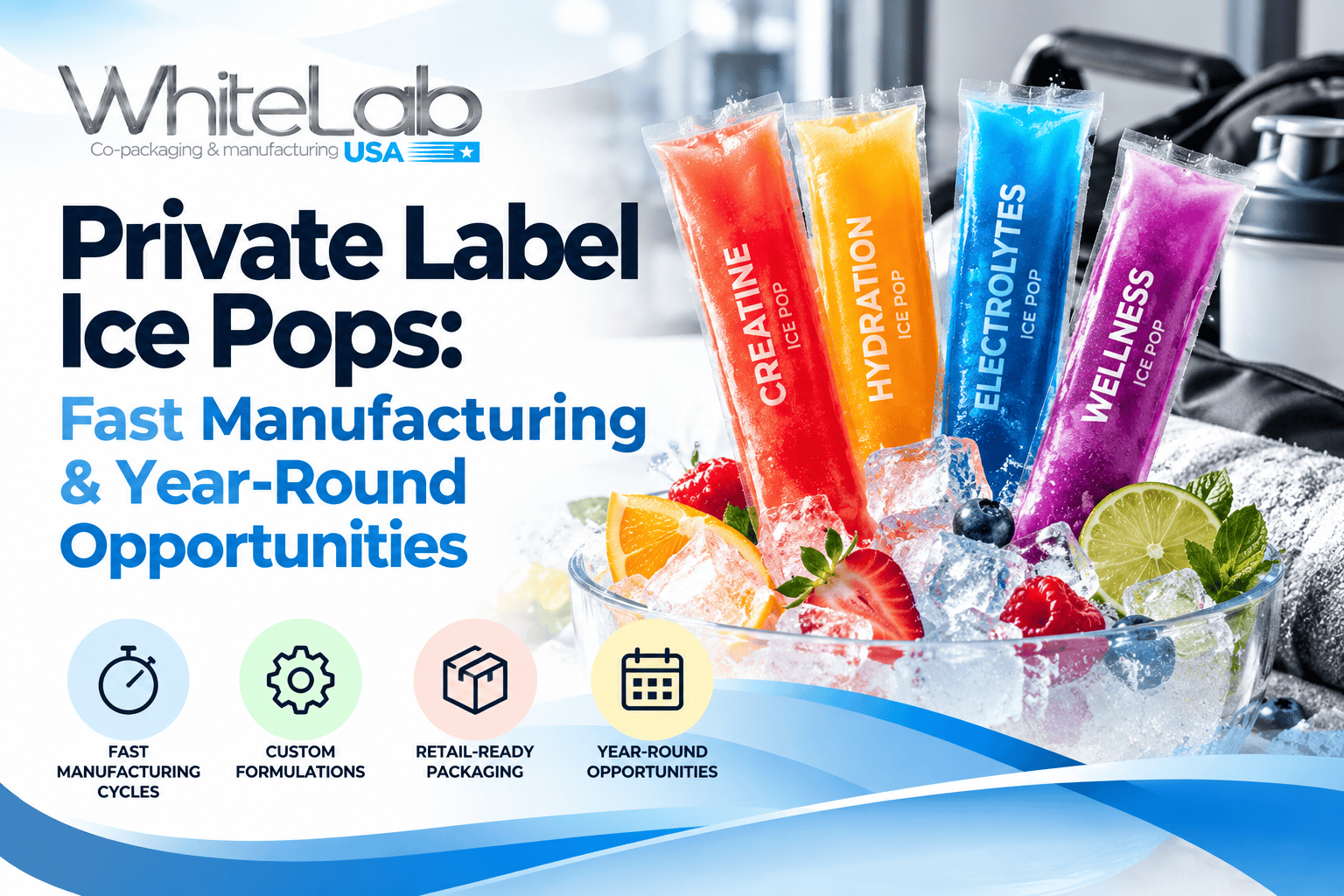
Retail presentation may include display cartons, multipacks, secondary packaging, or shipping configurations. These choices can influence merchandising and how the brand is perceived at the point of sale. For frozen products, see our private label ice pop manufacturing offering as one example of how product format and presentation work together. Our co-packing and packaging solutions can be considered as part of that broader presentation.
Coordinate Packaging With Product Development
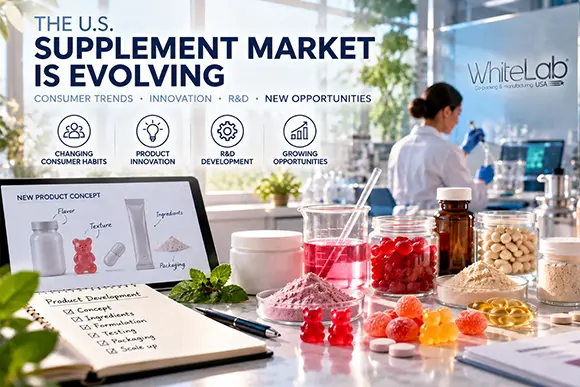
Packaging should be part of product development from the beginning—not treated as a separate service at the end. A product’s format, serving size, intended use, audience, price positioning, and route to market all shape the design choices. White Lab USA brings product development and manufacturing expertise into that discussion, so the creative direction can support the product rather than distract from it.
An In-House Team to Help Shape the Brand and the Product
Not every brand arrives with a finished brief, a defined target audience, or packaging artwork ready for production. Our in-house team can work with clients to explore the idea together: what makes the product different, who it should appeal to, where it will be sold, and what the brand should communicate. The process can begin with a straightforward brainstorming conversation and evolve into a more focused product and marketing direction.
From Brainstorming to Visual Direction
That collaborative work can include product naming and positioning, audience considerations, color palettes, visual identity, graphic design, packaging concepts, and the message a shopper should understand at first glance. We can help clients develop packaging designs that feel consistent with their product strategy—not simply choose an attractive box or label.
Choose the Format That Fits the Sales Channel
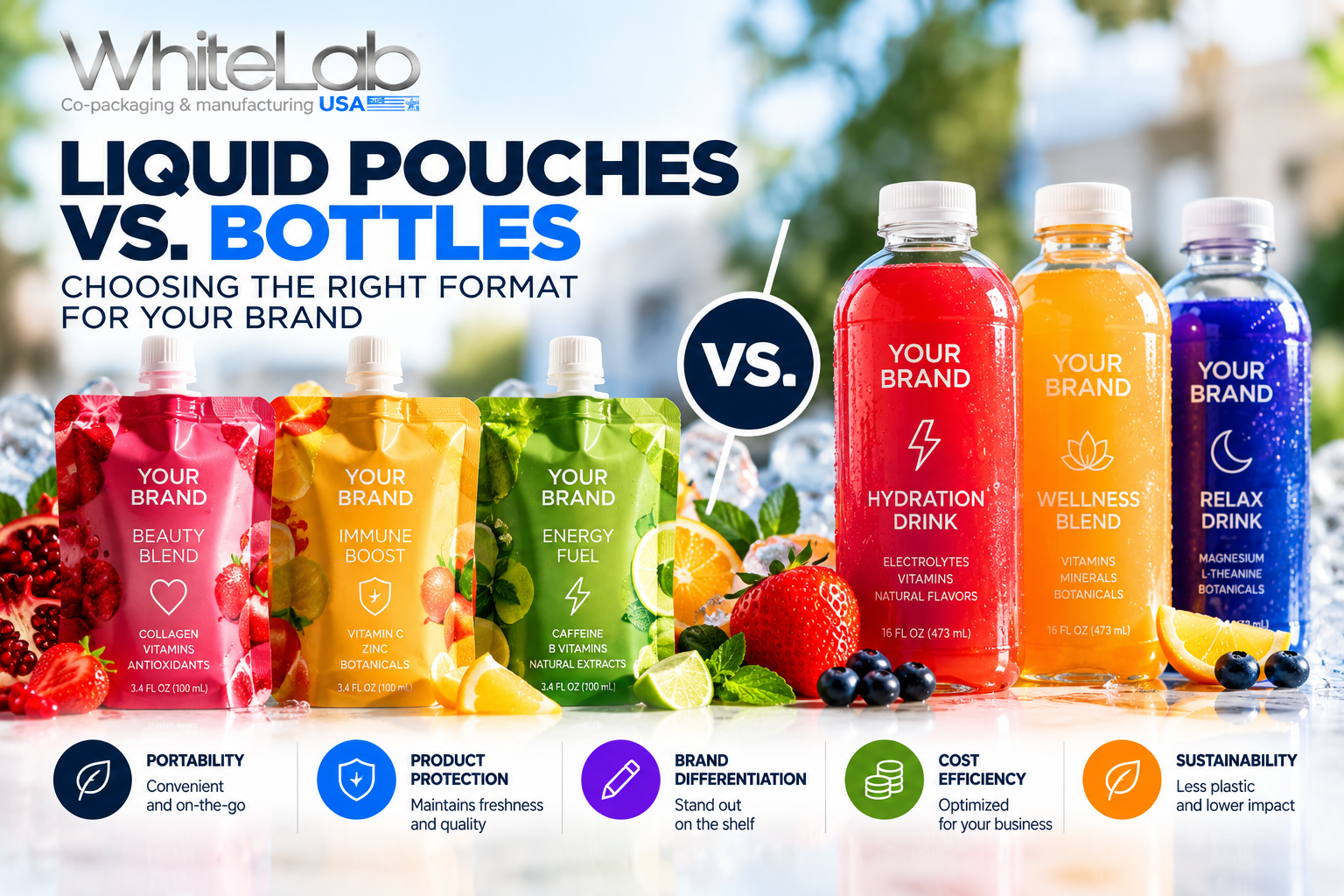
A pouch, bottle, individual wrapper, retail box, multipack, or counter display serves a different purpose. Together, we can consider how the product will be presented in stores, online, at gyms, in hospitality settings, or through distributors. The right solution depends on the product, the buyer, and the commercial objective—not on a single preferred packaging format. White Lab USA is first and foremost a custom product development and private label manufacturing partner. Our design and brand-strategy support is an additional advantage: it helps connect the concept, the customer experience, and the manufacturing conversation in one collaborative process.
Design for the Way Buyers Actually Shop
Retail-ready packaging is not only about a box or a display. It is about making a product easy to recognize, understand, and select in a crowded commercial environment. A shopper may compare several alternatives in seconds. Clear product naming, a consistent visual hierarchy, and recognizable variant cues can do more for conversion than an overloaded front panel. Start by deciding what the customer should notice first. That might be the product category, a distinctive flavor, the brand identity, or the use occasion. Each additional message competes for attention. Strong packaging gives the most important information priority and lets secondary details support rather than overwhelm the purchase decision.
Build a Packaging System, Not a One-Off Design
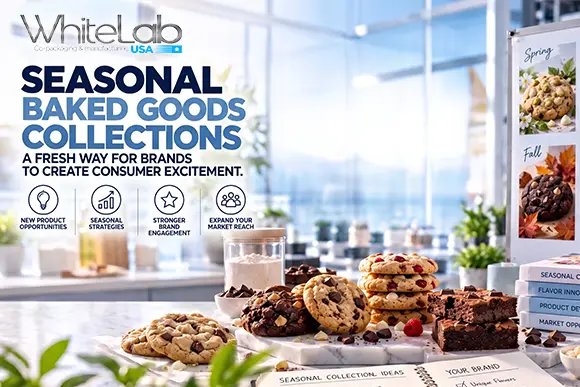
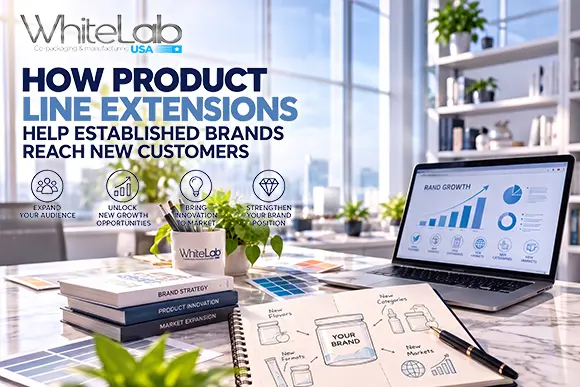
Brands often launch with one product and expand after the first customer response. A flexible design system makes that growth easier. Consistent typography, placement of product names, and a repeatable color strategy help shoppers recognize related products across different flavors, sizes, or formats. This approach can also help brands plan collections across baked goods and chocolate manufacturing. This consistency also supports sales presentations, product photography, e-commerce listings, and distributor catalogs. It becomes easier to show a coherent product family instead of a collection of unrelated packages. Before finalizing the first item, test how the same visual language would look across at least three hypothetical variants.
Consider the Secondary Package
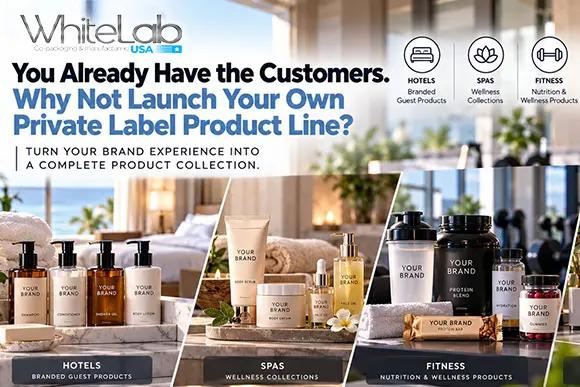
The individual product is only one part of the customer journey. Depending on the route to market, brands may also need an outer carton, display configuration, multipack, or shipping presentation. These elements influence how products are handled and how retailers or distributors encounter the brand. Think about the intended setting: a convenience store shelf, a specialty retailer, a gym counter, a hotel amenity display, or a direct-to-consumer shipment. Each setting places different demands on visibility, convenience, and presentation. The objective is to make the packaging fit the commercial context, not to adopt every available format.
Bring Packaging Into the Product Conversation Early
Packaging decisions can affect product positioning, launch planning, and cost discussions. A brand that waits until the formula is finalized to think about presentation may discover that its preferred pack does not suit the product or sales channel. It is more efficient to explore the product and its intended packaging together. When contacting White Lab USA, tell us about your product idea—even if it is still taking shape. We can discuss the target customer, product concept, branding direction, potential formats, retail boxes or displays, and manufacturing considerations together. A useful first conversation is often a brainstorming session, not a finished specification sheet.
Build a Product Buyers Can Recognize
Strong shelf presence is the result of a coherent product strategy, thoughtful design, and a product worth bringing to market—not a decorative label alone. White Lab USA works with brands on custom product development and private label manufacturing, with an in-house team that can also help shape the creative and commercial direction. Let’s discuss what you want to make, who it is for, and how to present it with purpose.